Your first bow: start with fit, not speed.
A practical checklist for your first visit to an archery shop.
Download the fitting checklist (PDF)
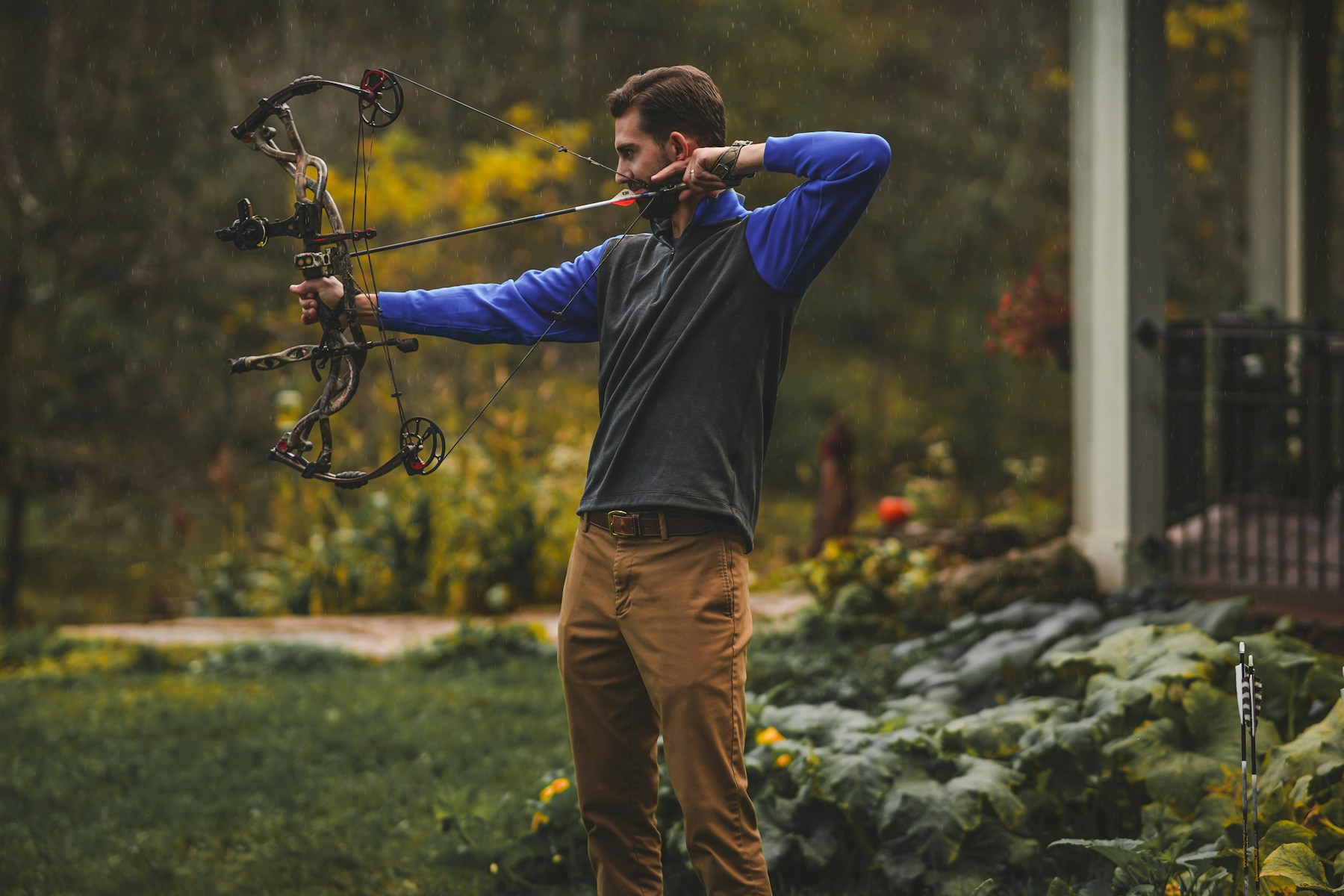
Choose your first bow after a supervised lesson and fitting. Leave with a measured setup, an itemized quote and a reason for choosing that bow style. A price tag or speed figure cannot answer those questions.
Should I try archery before buying a bow?
Try the club’s equipment before buying a bow. Use the lesson to decide whether you want recreational target practice, competition or a path toward bowhunting. USA Archery says most participating clubs have equipment for a first visit. Confirm this when booking.
Bring one sentence about your goal: “I want to attend weekly indoor sessions,” for example. That gives the instructor a useful starting point without committing you to a particular model.
If you are still choosing a style, our compound versus recurve guide explains what to ask at each fitting.
What are draw length and draw weight?
Draw length describes how far you draw the string; draw weight describes the pulling force. Lancaster Archery recommends having draw length measured at a shop. Its guide also explains that compound cams reduce the holding force at full draw. That reduced holding force is not the same as the peak force needed to draw the bow.
Ask the fitter to record the exact bow, limb option and measured setting you tried. Ask them to assess a manageable weight during shooting rather than choosing a poundage from an age or sex chart. Buying for a child? Our youth compound bow guide shows which bows list short draw lengths and light starting weights. If handedness and eye dominance point in different directions, discuss both with the instructor before ordering.
How do I compare bow quotes?
To compare bow quotes, use our quote worksheet to separate the bow from arrows, accessories and services. Mark each item as included, extra, borrowed or deferred. “Ready to hunt” and “starter kit” are package names; ask what is actually supplied and what the shop will fit.
For a recurve, ask about the arrow rest, finger protection and stringing equipment. For a compound, ask about the sight, rest and release setup. Have the fitter identify what your chosen style needs; do not buy every accessory on a generic list. Keep the configuration and service scope beside the total.
What should I record at a bow fitting?
At a bow fitting, record your goal, borrowed equipment, bow settings, adjustment options, arrows, accessories, quote, fitting scope and follow-up plan.
- State the sessions or discipline you want to prepare for.
- Confirm which equipment you can borrow before purchasing.
- Record the bow model, handedness, draw measurement and weight tried.
- Ask which parts can be adjusted later and who should do the work.
- Get arrows and accessories identified by exact model or specification.
- Request an itemized quote, fitting scope and follow-up plan.
When am I ready to buy a bow?
Before buying, get a resolved fitting record and a complete quote. If either is missing, the next action is another question or lesson. If two setups fit, compare them in person with the instructor’s help; this guide has no hands-on verdict on those bows.
Continue with the target-archery planning guide or the bowhunting setup checklist. The bow comparison checks published ranges only; it cannot confirm personal fit.
Sources
- USA Archery: Try Archery. Checked November 7, 2026.
- Lancaster Archery Supply: How to Choose Your First Bow. Checked November 10, 2026.
Our conclusions and buying questions are editorial recommendations. Read how we label evidence.